A cholesterol-friendly shopping list does not need exotic powders or a collection of foods marketed as superfoods. Begin with meals you already eat and identify where a different ingredient would make a useful, repeatable change. Fat quality and the overall eating pattern matter more than one impressive purchase.
Replace some saturated fat
NICE recommends reducing saturated fat and replacing it with unsaturated fats where possible. Examples of useful alternatives include olive or rapeseed oil and spreads based on suitable vegetable oils. This is a replacement principle, rather than a reason to add unlimited oil to an unchanged meal.
Look at the cooking fats and spreads used most often at home. A change in the ingredient you reach for every evening may be simpler than relying on occasional special meals. Choose an option that works with your cooking and that you will actually keep buying.
Make the swap specific
Try a vegetable-oil spread instead of butter on everyday toast, or cook a bean-based sauce with olive oil rather than a butter-heavy sauce. Where meat is included, compare leaner options and use beans or vegetables to make a stew go further. The NHS saturated-fat guide offers more examples.
You do not need to make every change on the same day. Choose one meal, try the swap and adjust the flavour until it suits you. Herbs, spices, lemon, garlic and different textures can help a changed recipe feel like dinner rather than a compromise.
Bring useful fibre sources into the routine
Wholegrain bread, oats, beans, lentils, fruit and vegetables can help build a varied eating pattern. Keep accessible versions in the cupboard and freezer. Tinned beans and frozen vegetables count as practical ingredients; there is no requirement to buy everything fresh.
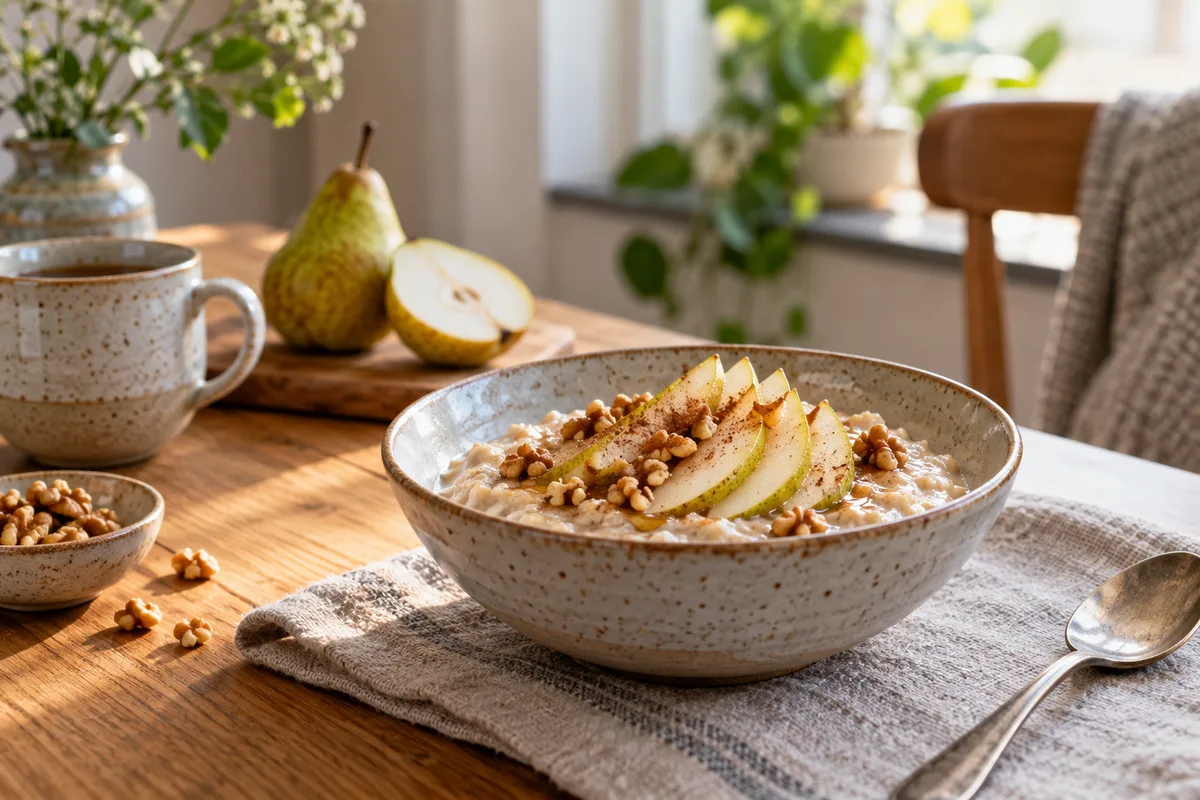
Examples include porridge with fruit, lentil soup with wholegrain bread, or a rice bowl with beans and vegetables. If your current diet is low in fibre, introduce changes gradually and discuss persistent digestive symptoms with a professional rather than abandoning all fibre-containing foods at once.
Read labels for a real comparison
Compare similar products using the per-100g figures, then consider the amount you usually eat. Look specifically for saturated fat rather than assuming a large low-fat or plant-based label answers the question. Coconut-based products, for example, still deserve a look at their nutrition panel.
The NHS food-label guide explains the figures and colour coding. A comparison is most useful between foods doing the same job: two everyday spreads, two yoghurts or two ready meals that you would genuinely choose between.
Keep protein and satisfaction in view
A meal should remain satisfying when you change an ingredient. Beans, lentils, fish, eggs, tofu, poultry or other appropriate foods can provide a protein component. Preferences, allergies and medical advice determine which options fit you.
If you remove a usual filling but replace it only with lettuce, lunch may not keep you going. Consider the whole meal, including its starch, vegetables and protein, rather than concentrating so closely on one number that eating becomes difficult to sustain.
Plan for foods you enjoy
An occasional richer dish does not erase a useful everyday pattern. Think about frequency, serving size and what you eat most often. A plan that requires you to abandon all family meals or social occasions is unlikely to remain convenient.
Keep a short list of reliable options for rushed days: a bean soup, a freezer meal you have compared, or a sandwich combination you enjoy. Having a reasonable fallback can prevent the pattern from depending on your ability to cook every evening.
Check progress through care
Food swaps do not guarantee a particular cholesterol reduction. Continue prescribed medicines and arrange follow-up testing as advised. Keep a note of the changes that became part of your routine so that the results discussion has useful context.
The goal is an eating pattern you can maintain, with enough variety and enjoyment to make it ordinary. Start with a useful swap, repeat it, then choose the next one when the first feels manageable.
Keep exploring
- High cholesterol explained: tests, risk and next steps
- A seven-day cholesterol-friendly meal framework
- Movement, smoking and heart health alongside a cholesterol diet
- Cholesterol diet myths: detoxes, eggs and miracle foods
- Cholesterol results: questions to ask your healthcare team
Keep exploring the practical questions.
Explore the guides