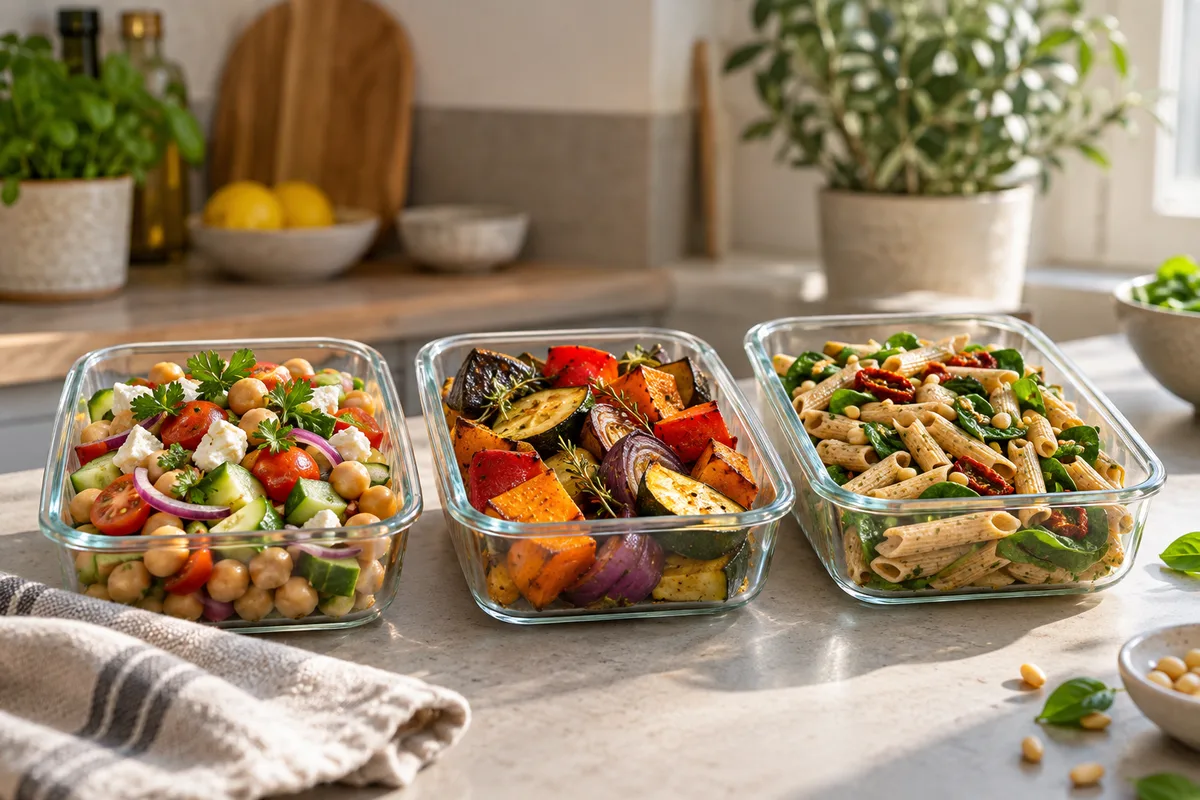
Planning a week of meals can reduce the number of decisions you make when tired or hungry. This framework offers examples, not a fixed calorie allowance or a treatment prescription. Adjust portions for your needs, allergies, preferences and any advice from your clinician or dietitian. Continue prescribed cholesterol treatment while making changes.
Choose a few repeatable ingredients
Start with two or three starches, several protein foods and vegetables that work across meals. For example, oats, wholegrain bread and potatoes can sit alongside beans, lentils, fish or tofu. Add fruit, suitable dairy or alternatives, and an unsaturated cooking oil.
Check your cupboards before buying more. A practical plan uses what is already available and leaves room for leftovers. If food waste or cost is a concern, frozen vegetables and tinned pulses can help keep the week flexible.
Monday: begin with an easy pattern
Breakfast might be porridge with fruit; lunch could be a bean soup with wholegrain bread; dinner could use potatoes, vegetables and a protein food you enjoy. Choose amounts that satisfy you rather than copying a photograph’s serving size.
Make an extra portion of soup if you have suitable storage. Label it so that tomorrow’s lunch does not depend on remembering when it was made. The benefit of planning is the easier decision later, not the achievement of cooking three different meals every day.
Tuesday: adapt a familiar favourite
Try a sandwich lunch with a filling you enjoy and review the spread or bread if it is an everyday meal. For dinner, adapt chilli or a stew by including beans and vegetables and choosing an appropriate cooking fat.
The NHS advice for lowering cholesterol includes more wholegrains, vegetables and unsaturated-fat options. Use that direction to adapt your usual cooking instead of assuming that only a new branded diet will count.
Wednesday: keep a convenient option
Plan a meal that is easy to assemble when time is short. A baked potato with beans and a vegetable side, or a ready meal chosen after comparing labels, may be more realistic than a complicated recipe.
If you compare packaged foods, use the saturated-fat figure and the portion you will actually eat. The NHS label guide can help. Price, taste and convenience matter too; the useful choice is one you can keep making.
Thursday: make lunch portable
Use leftovers in a lunch box, or prepare a grain-and-bean bowl with vegetables and a dressing based on an appropriate oil. Follow normal food-storage instructions for the ingredients you use.
Pack a snack if the time between meals will be long. Fruit, a yoghurt or a suitable alternative, or nuts when appropriate may fit. Snacks are part of an ordinary eating routine, not something that must be removed to make a meal plan seem stricter.
Friday: plan around a social meal
Look at the menu before you are rushed and choose a meal you will enjoy. You might select a tomato-based sauce or a dish with vegetables and a protein food, depending on what is available. An occasional restaurant meal does not have to become a reason to abandon the rest of the week.
Avoid skipping meals to compensate beforehand. Arriving extremely hungry can make the plan harder to use and does not teach a sustainable routine. Keep the overall pattern in view.
Saturday: cook once, use twice
Make a versatile lentil sauce, soup or tray meal that can cover another eating occasion. Keep the recipe simple enough that you would repeat it. Review which ingredients the household liked and which remained unused.
A good batch meal should fit your storage space and schedule. There is little value in preparing a large quantity of something nobody wants to eat. Start with a small batch before expanding it.
Sunday: review without scoring yourself
Ask what made meals easier, which swap was enjoyable and where the plan broke down. Change the logistics before adding another rule. Perhaps you need a portable lunch, a cheaper ingredient or a more convenient fallback.
A week of meals cannot prove how your cholesterol has changed. That requires appropriate follow-up. Use this framework to make everyday eating simpler, then review the wider treatment plan with your healthcare team.
Keep exploring
- High cholesterol explained: tests, risk and next steps
- Cholesterol-friendly foods and everyday fat swaps
- Movement, smoking and heart health alongside a cholesterol diet
- Cholesterol diet myths: detoxes, eggs and miracle foods
- Cholesterol results: questions to ask your healthcare team
Keep exploring the practical questions.
Explore the guides